تستعرض الكاتبة مارتا مينديز في هذه المقالة رواية "منطقة الشفق" (أو "البعد المجهول") للروائية التشيلية نونا فرنانديز، وتتناول من خلالها كيفية تصوير الأدب للعوالم المتوازية التي عاشها المجتمع التشيلي خلال دكتاتورية بينوشيه، حيث تعايشت الحياة اليومية العادية مع فظائع الاختفاء القسري في بُعدين متوازيين دون أن يلتقيا. كما تربط المقالة بين تجربة تشيلي وتجربة اليمن في قضية المختفين قسرًا، مسلطةً الضوء على دور الأدب في توثيق الغياب وما يتركه من جراح جماعية تتجاوز حدود الزمان والمكان. ترجمة عزيز مرفق*:
تقدم رواية "منطقة الشفق" لنونا فرنانديز سردًا مقلقًا عن الأبعاد المتنافرة لديكتاتورية بينوشيه، وكيف يمكن للعقل البشري أن يبرر هذا التنافر للبقاء.
— 18 أبريل 2026بعض العناوين تُعبّر بعمق عن كتبها، ورواية "منطقة الشفق" أو "البعد المجهول" (بالإسبانية: La Dimension Desconocida) للكاتبة التشيلية نونا فرنانديز، لا تُعبّر عن ذلك فحسب، بل تُشكّل في نواحٍ عديدة القصة التي تُمهّد للأحداث الرئيسية في الكتاب. "منطقة الشفق" هو العنوان الإنجليزي لكتاب فرنانديز الأصلي باللغة الإسبانية. وهو مُقتبس من مسلسل تلفزيوني من أمريكا الشمالية عُرض في أوائل الستينيات، والذي تميّز بأحداث غير اعتيادية أو سريالية مُستوحاة من الخيال العلمي أو الفانتازيا. يُشير مصطلح "الشفق" إلى الفترة الزمنية التي تسبق شروق الشمس أو تلي غروبها، عندما لا تكون السماء مُظلمة ولا صافية تماماً. على الرغم من أن المصطلح يُستخدم غالباً بهذا المعنى التقني، إلا أن "الشفق" له استخدامات مجازية أيضًا، ومع المسلسل التلفزيوني "منطقة الشفق"، أصبح طريقة شائعة للإشارة إلى التجارب ذات النهايات المفاجئة أو القصص ذات النهايات غير المتوقعة.
في النسخة الأصلية، "La Dimension Desconocida"، وهو الاسم الذي عُرفت به السلسلة في تشيلي، والذي يُترجم من الإنجليزية إلى "البُعد المجهول". ورغم أن الترجمة الإنجليزية للعنوان الأصلي لا تتطابق تمامًا مع العنوان الإنجليزي، إلا أن كليهما يُقدم لنا لمحة مختلفة عن موضوع الكتاب. تشير كلمة "المجهول" إلى آلاف الأشخاص الذين اختفوا قسرًا خلال نظام أوغستو بينوشيه في تشيلي، بينما لا تشير كلمة "البُعد" إلى مكان محدد، بل إلى المنطقة المظلمة والموازية التي شهدت هذه الفظائع. أما "منطقة الشفق" فهي منطقة انتقالية، بُعدٌ ليس واقعيًا تمامًا، ولكنه ليس خياليًا تمامًا أيضًا، وكما ذُكر سابقًا، هي منطقة نهايات مفاجئة أو تحولات مفاجئة في منتصف الأحداث.
هذه المقالة هي مراجعة لكتاب نونا فرنانديز، مستوحاة من مسيرة شخصية ومهنية شملت عامًا قضتها كاتبته في سانتياغو، تشيلي، بين عامي 2001 و2002، بالإضافة إلى بعض الخبرة في السياق اليمني وتاريخه الخاص مع المفقودين والمختفين قسرًا. تشيلي واليمن دولتان تُعانيان من إرث ثقيل من قضية المختفين قسرًا، وهذه المراجعة محاولة لتسليط الضوء على جوانب من رحلة تشيلي، مسترشدةً بسرد نونا فرنانديز. تتضمن المراجعة مجموعة مختارة من مقتطفات الكتاب التي تُبرز التعقيدات المحيطة بموضوع المختفين قسرًا. كما أنها بمثابة تكريم للأدب ودوره في توثيق التجارب التي نادرًا ما يتم الاعتراف بها، والتي تبقى في معظمها طي الكتمان، كما هو الحال غالبًا مع المختفين قسرًا، ودوره في تمثيلها.
بدءًا من مصطلح "مجهول" الوارد في العنوان الأصلي بالإسبانية، يُستخدم هذا المصطلح للإشارة إلى الأشخاص المفقودين في المقام الأول. فالشخص المفقود هو من لا يُعرف مكانه أو مصيره. استمرت دكتاتورية تشيلي بقيادة أوغستو بينوشيه قرابة 17 عامًا، من 11 سبتمبر 1973 حتى 11 مارس 1990.
ورغم هذه المدة الطويلة، تشير التقديرات الرسمية إلى 1469 شخصًا فقط يُعتبرون في عداد المفقودين نتيجة الاختفاء القسري. وكما هو شائع في مثل هذه الحالات، يُرجح أن يكون العدد الحقيقي للمفقودين أعلى بكثير من الأرقام المُعلنة رسميًا في البلاد. علاوة على ذلك، من بين العدد الإجمالي المُحدد، لم يُعرف مصير سوى 307 أشخاص. في أغسطس 2023، أعلن رئيس تشيلي عن خطة بحث وطنية لمعرفة مصير 1162 شخصًا مجهولي المكان والمصير. مع ذلك، لا تزال العديد من العائلات غير متأكدة من فعالية هذا الإجراء، خاصةً بالنظر إلى قدم تاريخ حالات الاختفاء. بالنسبة للعديد من العائلات المعنية، فقد ظلوا ينتظرون الإجابات لأكثر من 50 عامًا.
أما الصلة الأخرى التي تأسست بين "المجهول" وتشيلي فتتعلق بوجود العديد من العوالم الموازية في تشيلي خلال دكتاتورية بينوشيه. فعلى الرغم من حالة الرعب التي اتسم بها النظام، يبدو أن عددًا كبيرًا من الناس في الكتاب غير مكترثين بهذا العنف. وباستثناء تفجير قصر لا مونيدا في 11 سبتمبر 1973، لم تتضمن الروايات التي ظهرت عن الدكتاتورية في تشيلي —على الأقل نسبيًا وبالمقارنة بما هو عليه الحال اليوم —سوى عدد قليل من حوادث العنف الظاهرة كالمشاجرات في الشوارع أو القناصة أو القصف.
كان معظم العنف سريًا ومخفيًا. وهذا بدوره سهّل على النظام تحقيق أهدافه والتصرف دون رادع. وكأنها خدعة بصرية، انخدع العديد من التشيليين بما رأوه، ولم يدركوا ما لم يروه، وظنوا أن العالم الذي يعيشون فيه هو العالم الوحيد الموجود. كان الأطفال يذهبون إلى المدرسة، والعائلات تنظم الأعياد والتجمعات، والمتواعدون يتزوجون، والناس يشاهدون الأفلام ويتناولون الفشار — وربما شاهد الكثيرون مسلسل "منطقة الشفق". تُجسّد رواية "البُعد المجهول" العديد من جوانب الحياة اليومية: فهي عادية وتستحضر تجارب مألوفة لدى الكثير من القرّاء حول العالم. لكن ما تحاول نونا فرنانديز تصويره أيضاً هو الواقع الأقل شيوعاً والأكثر رعباً الذي حدث بالتوازي: واقع الإعدامات والاختفاء القسري والعنف.
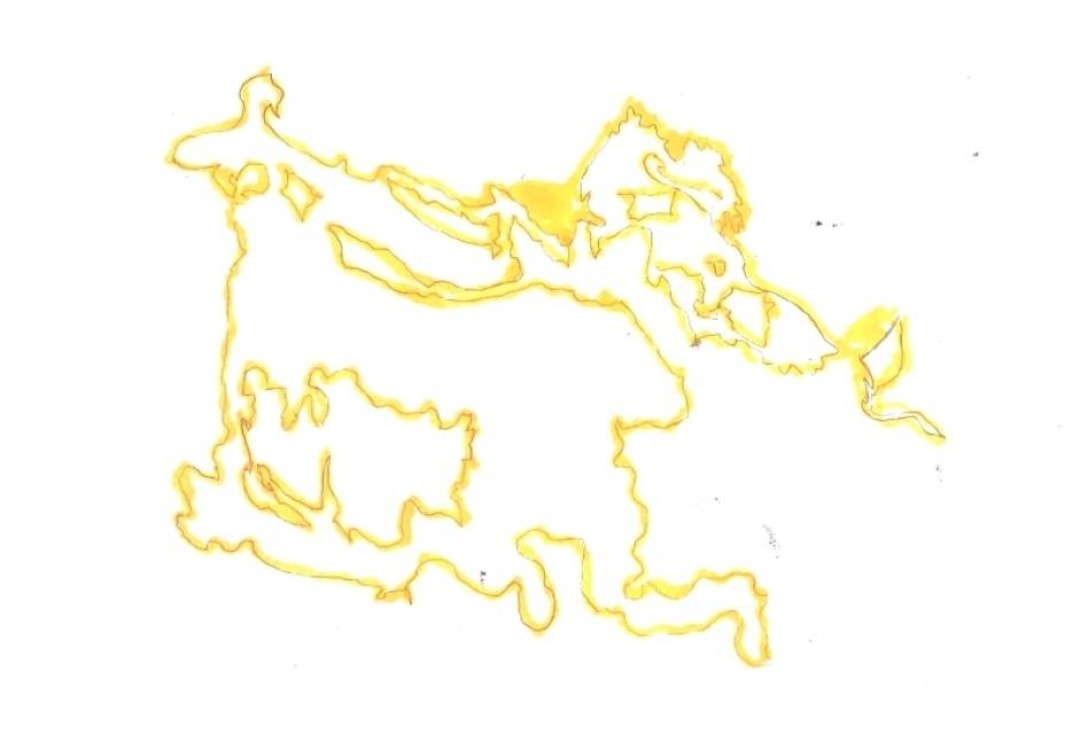
في الكتاب، يتعايش الواقعان بشكل متوازٍ دون أن يتداخلا. هذا النهج — الذي يُبرز أوجه التوازي التي تبقى منفصلة — يُشير إلى حالة من الانفصال، حيث يبدو عدد كبير من التشيليين منفصلين تمامًا وغير مدركين للواقع المروع الذي كان يحدث بالتوازي مع حياتهم. مع ذلك، في بعض الأحيان، كان الواقعان يتقاربان. يُقدم أحد المشاهد في الكتاب مثالًا دقيقًا على التوتر النفسي الناجم عن العيش في حالة من التنافر المعرفي العميق: اعتقال خوسيه ويبيل، وهو ناشط شاب في الحزب الشيوعي، في طريقه لتوصيل أطفاله إلى المدرسة. ما يُسبب الاضطراب فيه هو الطريقة التي عُومل بها الاعتقال: استُهين به بدلًا من اعتباره صراعًا من أجل البقاء. مرّ اعتقال خوسيه ويبيل صباح يوم 29 مارس 1976 دون أي تأثير على مظهر "الحياة الطبيعية". بحسب موقع "ميموريا ڨيڨا"، وهو مصدر رقمي للمعلومات المتعلقة بظروف حالات الاختفاء التي وقعت خلال فترة الديكتاتورية في تشيلي، ألقت عناصر من قوات الأمن الداخلي القبض على ويبل بتهمة سرقة محفظة من أحد ركاب الحافلة. ولم يُرَ له أثر بعد ذلك، ولم يُعرف مكانه.
كانت هناك أيضًا مواقفٌ تقاربت فيها الحقيقتان بشكلٍ شبه كامل، مما فرض عليهما نوعًا من الاعتراف المتبادل. تصف نونا فرنانديز مشهدًا «شهد فيه المارة، والناس في الشارع، وأمي، وسائق الحافلة، وكل من يسكن عالم الحياة اليومية العادية، لحظةً خاطفةً انبثقت منها أبعادٌ مجهولة». حدثت تلك اللحظة أثناء اعتقال أحد معارضي النظام، كونتريراس مالوجي، الذي لم يغب عن أنظار المارة مقاومته للاعتقال. في الكتاب، لا تُعامل لحظة "الشفافية" هذه على أنها كشفٌ مفاجئٌ بحد ذاتها، بل كنقطة تحوّلٍ تحمل في طياتها إمكانية اكتشافٍ أوسع «للأبعاد المجهول».
لا تتناول نونا فرنانديز "البُعد المجهول" كحدثٍ منفرد أو واقعةٍ مفاجئة، بل كنتيجةٍ لا يُمكن الوصول إليها إلا من خلال السببية وتتبع سلسلةٍ من التطورات. يُقدّم لنا البناء السردي لكتاب "البُعد المجهول" — المُقسّم إلى أربعة أجزاء، يُمثّل كلٌ منها منطقةً مُختلفةً للوصول إلى "البُعد المجهول" — إحدى الادعاءات المركزية في الكتاب: بما أن حالات الاختفاء القسري جزءٌ من سرديةٍ تُحافظ عليها السلطة لقمع الحقيقة، والتهرّب من المساءلة، والتحكّم في الرأي العام، فإن السبيل الوحيد لتغيير هذه السردية هو بناء سرديةٍ جديدة. في الكتاب، تتخذ هذه السردية على شكل أربع أسسٍ رئيسية أو "مناطق" تُمثّل رحلة الناس من حياتهم اليومية العادية إلى "البُعد المجهول": من "منطقة الدخول" (”zona de ingreso“)، مرورًا بـ"منطقة الاتصال" (”zona de contacto“) و"منطقة الأشباح" (”zona de fantasmas“)، قبل الوصول إلى "منطقة الهروب" (”zona de escape“).
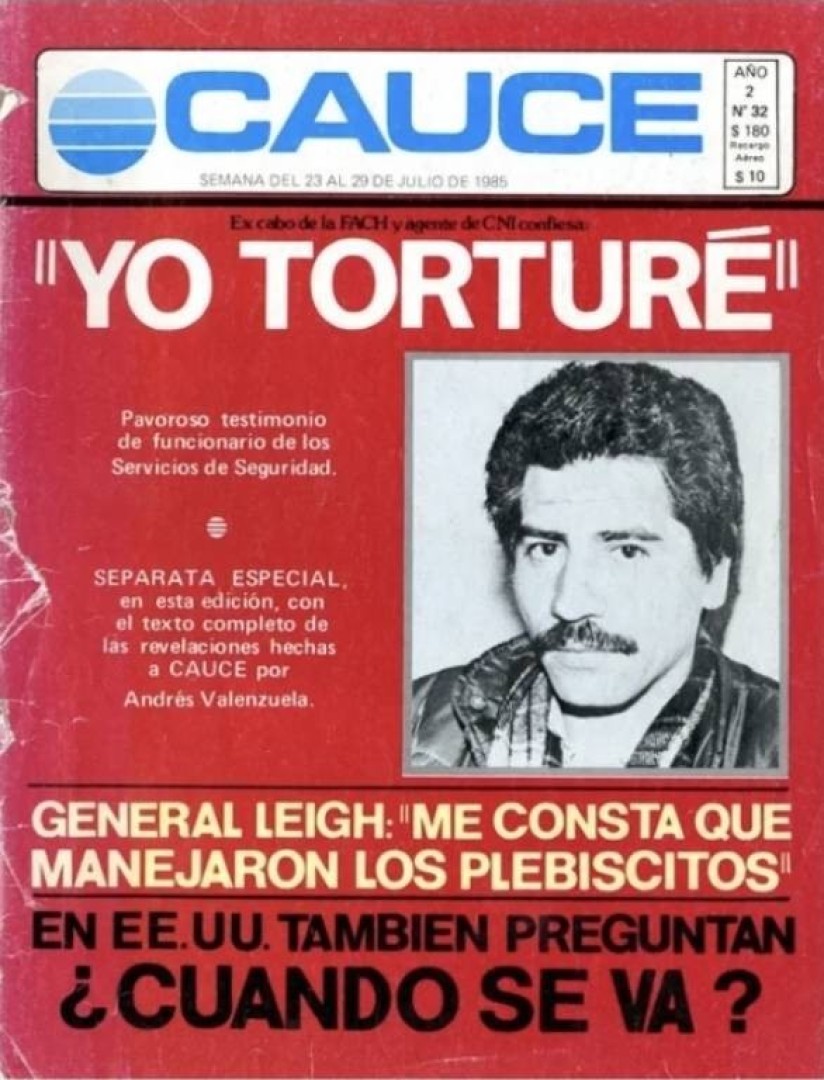
بافتراض وجود مئات الحالات المماثلة الأخرى، متى بدأت بنية الحياة الطبيعية المصطنعة بالانهيار؟ كانت إحدى نقاط التحول الحاسمة في "البُعد المجهول" ظهور أندريس أنطونيو فالينزويلا موراليس على غلاف مجلة في أغسطس/آب 1984 تحت عنوان: "لقد عذبتُ الناس". قبل اعترافه، كان موراليس عضوًا في أجهزة استخبارات النظام. تضمن اعترافه لصحفي يعمل في مجلة "كاوتشي" في سانتياغو العديد من الكشوفات حول مشاركته المباشرة وغير المباشرة في أعمال التعذيب والاختفاء القسري والإعدام خارج نطاق القضاء. مسقط رأسه — قرية ساحلية تُدعى "بابودو" ”Papudo“ والتي يمكن ترجمتها إلى "البعبع" — تزيد من بشاعة شخصية فالينزويلا.
مع ذلك، ووفقًا لنونا فرنانديز، فقد حافظ على مظهر عادي تمامًا: « لم يكن يبدو كوحش أو عملاق شرير، ولم يكن يبدو كشخص مختل هارب... كان من الممكن أن يكون أي شخص. بما في ذلك مُعلمنا في المدرسة الثانوية ».
يتناول جزء كبير من كتاب "البُعد المجهول" الخيال والذاكرة الجمعية، وما يُميزهما، وما يُتيحه كل منهما في ظل غياب المفقودين والتحديات الجسام التي تواجهها العائلات، كالإنكار، والوصم الاجتماعي، وانعدام الأدلة، والأثر النفسي، على سبيل المثال لا الحصر. كما يتناول الكتاب بناء الذاكرة، وحدودها قبل كل شيء: حدود السياقات التي وقعت فيها حالات الاختفاء، والتي غالبًا ما تتسم بدورات متكررة من الصراع والعنف مع إفلات الجناة من العقاب؛ إضافةً إلى ذلك، حدود اللغة، وكيف تعجز عن استيعاب الحقائق التي لا نراها ولا نفهمها. فاللغة تُشكل طريقة إدراكنا وفهمنا للعالم. ما تُظهره لنا نونا فرنانديز هو أنه لم تكن هناك لغة لوصف ما حدث، ولا لغة لفهم ما كان يختبئ وراء شقوق باب "البعبع". وكما تقول: « لا أعرف الكلمات التي تصف ما جرى. ولا أريد أن أعرفها. أفتقر إلى الكلمات والصور لكتابة بقية القصة ».
يُعدّ الكشف عن حقيقة ما حدث واستعادة ذكرياته مهمة بالغة الصعوبة في سياق حالات الاختفاء القسري. وتؤكد سجلات الدول ذلك، إذ تُؤخّر العديد من الدول إمكانية التوصل إلى حلول لماضيها وإرثها هذا. كما تقاعست دول كثيرة عن سنّ تشريعات تُعنى بالمفقودين وعائلاتهم، بما في ذلك تعريف "من هو الشخص المفقود"، كما هو الحال في اليمن. ورغم اعتماد الاتفاقية الدولية لحماية جميع الأشخاص من الاختفاء القسري قبل عشرين عامًا، فإن عدد الدول التي لم تُوقّع عليها أو تُصدّق عليها — كاليمن — يفوق عدد الدول التي وقّعت عليها. هذه العوامل لا تُساعد على كشف الحقيقة. فعندما تُحجم السلطات الرسمية عن اتخاذ هذه الخطوات، يصبح من الصعب للغاية على العائلات الحصول على أي معلومات حول مصير أحبائها.
"البُعد المجهول" كتابٌ عن محدودية اللغة، وعن الغياب، ولا سيما غياب من نحب، والمعضلات العميقة والتساؤلات التي يثيرها هذا الغياب، دون توقع إجاباتٍ قاطعة. وهو أيضاً كتابٌ عن الرحلات، ومتاهاتها من الأنفاق والمناطق، وعن التشابه الذي غالباً ما يسود بين أنفاق عالمنا الداخلي وتلك التي نجدها في العالم الخارجي.
وقد وصف أحد نقاد الأدب "البُعد المجهول" بأنه "تشريحٌ اجتماعي" للمجتمع التشيلي في ظل دكتاتورية بينوشيه. من خلال التركيز على الانفصال الاجتماعي الناجم عن الأكاذيب والخداع، يُقدّم كتاب نونا فرنانديز جولةً في بنية نظام بينوشيه، والأنفاق التي حفرها، الحقيقية منها والمتخيلة، وأماكنه المجهولة. وبالاستناد إلى صور العوالم المتوازية، يُقدّم الكتاب تمثيلاً لخريطة النظام، وواقعه، وكيف يتعايشان معاً في عزلةٍ تامة. كما يُبيّن لنا كتاب "البُعد المجهول"، فإنّ المفارقات التي تُخلق من خلال الأكاذيب والتلاعب بالواقع متعددة وعميقة. فهي قادرة على خداعنا ودفعنا إلى افتراض — مع ما يترتب على ذلك من مخاطر جسيمة على الآخرين — أن ما لا يُرى غير موجود، وأن غياب الدليل هو دليل الغياب.
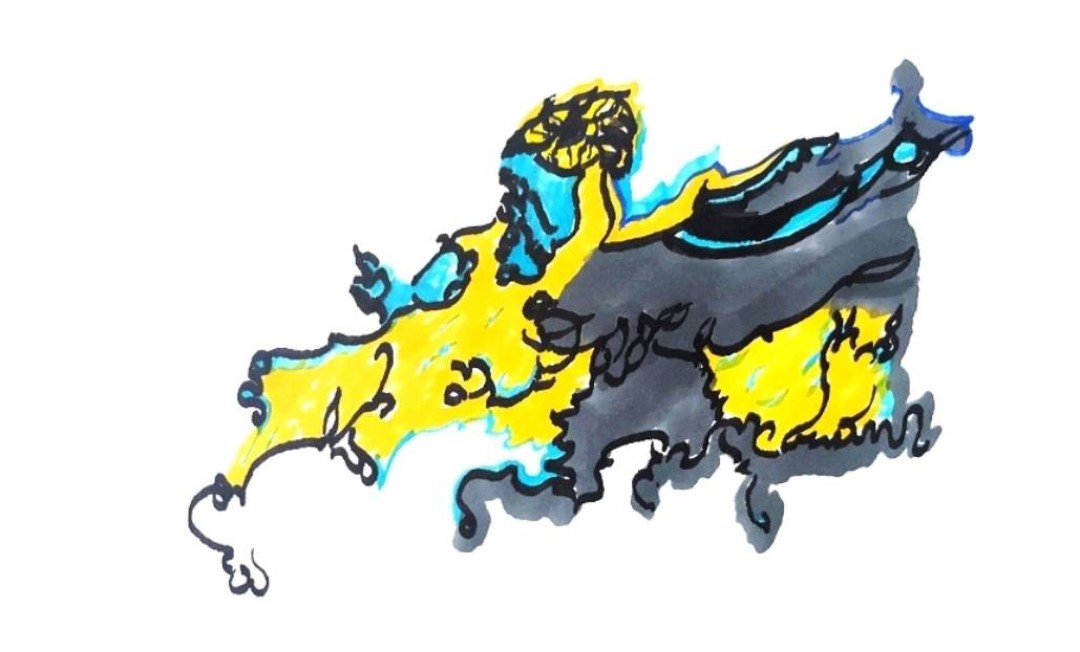
على الرغم من التشاؤم الذي قد يثيره كتاب "البُعد المجهول"، إلا أنه كتابٌ عن الإمكانيات، عن الثغرات التي تظهر أحيانًا بشكلٍ عفوي، وتلك التي نخترقها في آفاقنا. تعتمد منطقة الشفق على خصائص لون الغسق — درجات متوسطة من الأزرق الداكنة والساطعة مع لمحات أرجوانية خفيفة — كرمزٍ مختصر للتعبير عن عالمٍ من الاحتمالات. بالنسبة لنونا هيرنانديز، هذا العالم ليس ما يحدث بفعل الظروف (يقدم الكتاب تحذيرًا صارخًا بشأن مخاطر تضاؤل الفاعلية والاستقلالية)، بل هو مرتبطٌ ارتباطًا وثيقًا بالفاعلية، وفي نهاية المطاف برواياتنا الشخصية وتجاربنا المعيشية. إن المجتمع الراسخ على الاعتراف بذاتية مواطنيه هو مجتمعٌ قائمٌ على الحقيقة، وهو بلا شك أكثر استعدادًا لمواجهة التحديات.
نونا فرنانديز (ولدت 1971) هي روائية، ممثلة، وكاتبة سيناريو تشيلية بارزة، تُعرف بأعمالها التي تستكشف الذاكرة والصدمات النفسية في ظل دكتاتورية بينوشيه. من أبرز أعمالها رواية "غزاة الفضاء" (Space Invaders)، وفازت بجائزة "سور خوانا إينيس دي لا كروث" عام 2017 عن روايتها "منطقة الشفق" (The Twilight Zone).
ℹ️
عن الكاتبة
مارتا مينديز باحثة مقيمة في بيروت، تُركز أبحاثها على العدالة الانتقالية والمصالحة في اليمن. تتناول منشوراتها تطور العدالة الانتقالية في اليمن من كونها فكرة هامشية في المجال السياسي إلى ممارسة راسخة تُقرّ بالضحايا كحُماة للروايات المُعرّضة للخطر، مثل تلك التي تتناول حالات الاختفاء القسري في اليمن، بالإضافة إلى فئات مُحددة من الضحايا كالنساء والأقليات العرقية. عملت مارتا كمستشارة مستقلة لدى مؤسسات المجتمع المفتوح، والمركز الدولي للعدالة الانتقالية، ومركز صنعاء للدراسات الاستراتيجية، وصندوق الناجين العالمي، وغيرها. تهتم مارتا أيضاً بنقد الأعمال الأدبية والفنية اليمنية. نُشرت كتاباتها في "تقرير اليمن" و"مراجعة المركز"، وهي أيضاً محررة مساهمة في مجلة "قاعدة فنون اليمن".
ℹ️
ترجمة
عزيز مرفق، ناشط ثقافي يمني مقيم في القاهرة، يعمل في هذا المجال منذ ما يقارب 13 عامًا. عمل بشكل رئيسي مع مؤسسة "بيسمينت" الثقافية، وهي مؤسسة عمرها 17 عامًا تأسست في صنعاء، وتعمل حاليًا في تعز نظرًا لظروف الحرب. خلال مسيرته المهنية، استكشف عزيز تاريخ الفنون والثقافة في اليمن من منظور التغيرات السياسية وتأثيرها البالغ على صعود وهبوط الحركات الفنية، كما خاض تجارب في الكتابة والتصوير والخط العربي وغيرها من الوسائط.